Fundamentals of Throwing Juggling - The Cascade
A (traditional) method for learning to juggle with 3 objects. More modern approaches, such as [[Person/Craig Quat]]'s 5-Step Method, complement and expand upon this.
This basic pattern, as well as the pedagogical approach to learning it, is largely independent of the equipment used. Whether with scarves, balls, clubs, or other props – the sequences remain the same.
First, visualize a window frame in front of your body.
This indicates the throwing plane, meaning the plane in which the objects move. It also helps us visualize the points to which we should throw. These two points are located at head height (slightly above the head), to the right and left of the head respectively.
Start with one object, in rhythm: 1 and 2 – one is throwing and flying, 2 is catching. The object describes a sort of horizontal figure-eight in the throwing plane as it moves from the right hand to the left hand and back again.
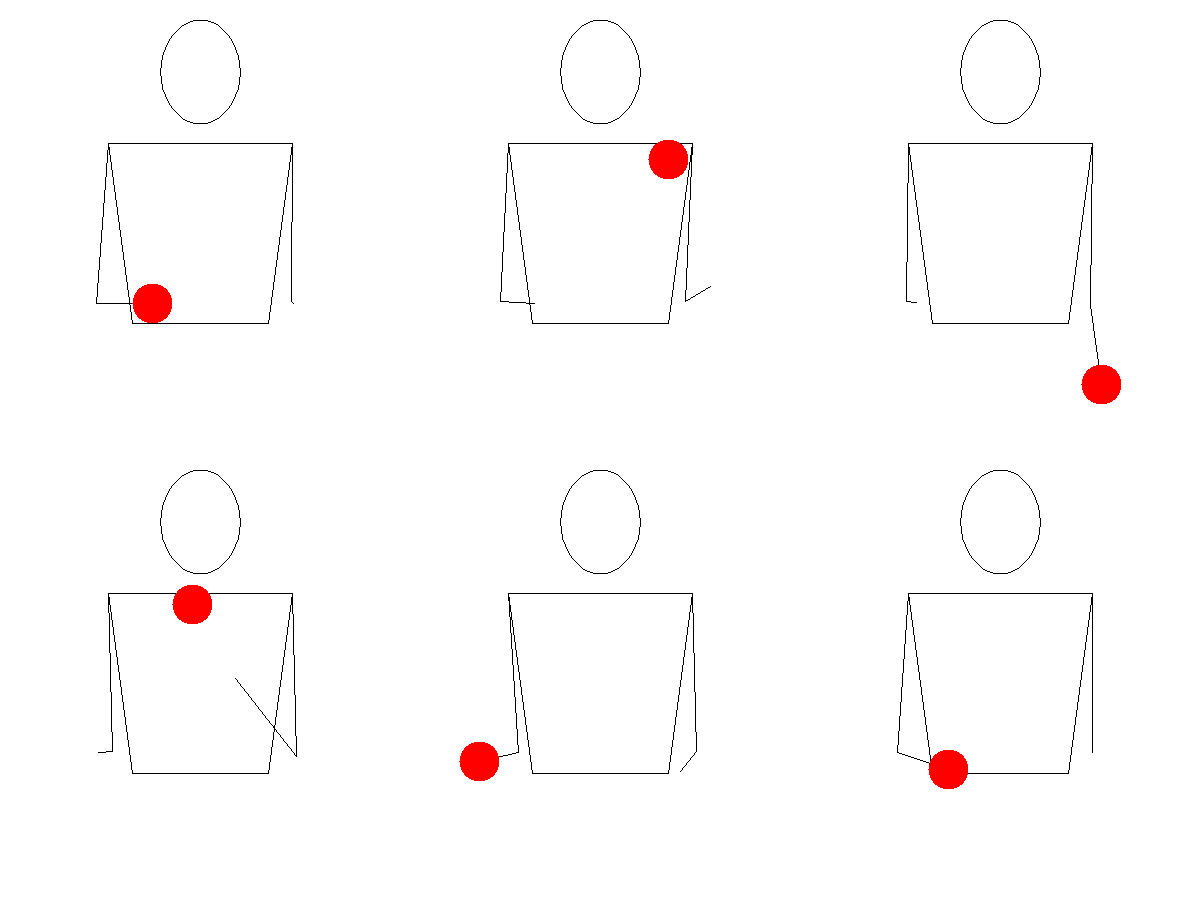
Two objects. Start with one object in each hand. Throws are made along the same trajectories; the rhythm is important here. Throw, Throw, Catch, Catch. (1 and 2 and 3 and 4) – The throws happen one after another, with a slight delay.
Two objects, different colors. Always start with one color – this ensures that right and left are trained equally. (First sequence R, L – the second sequence L, R)
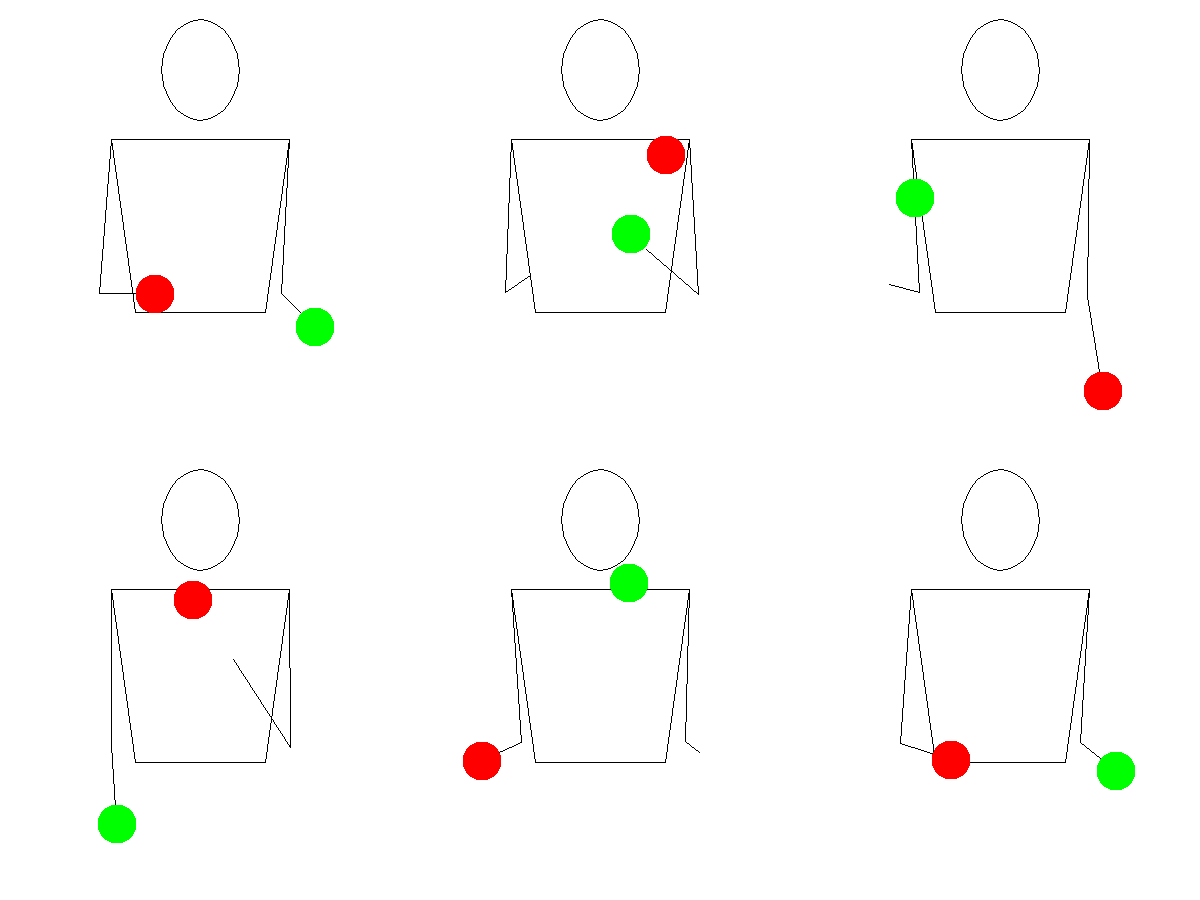
Two objects, starting with two objects in one hand. Depending on the prop, there are different ways to hold the objects here.
The basic exercise here is to throw the objects individually from one hand and catch two objects in the other hand. This also happens with a slight delay.
Three objects. Two in one hand, one in the other. The hand with 2 objects starts throwing. In principle, this is just a combination of the previous exercises with 2 objects.
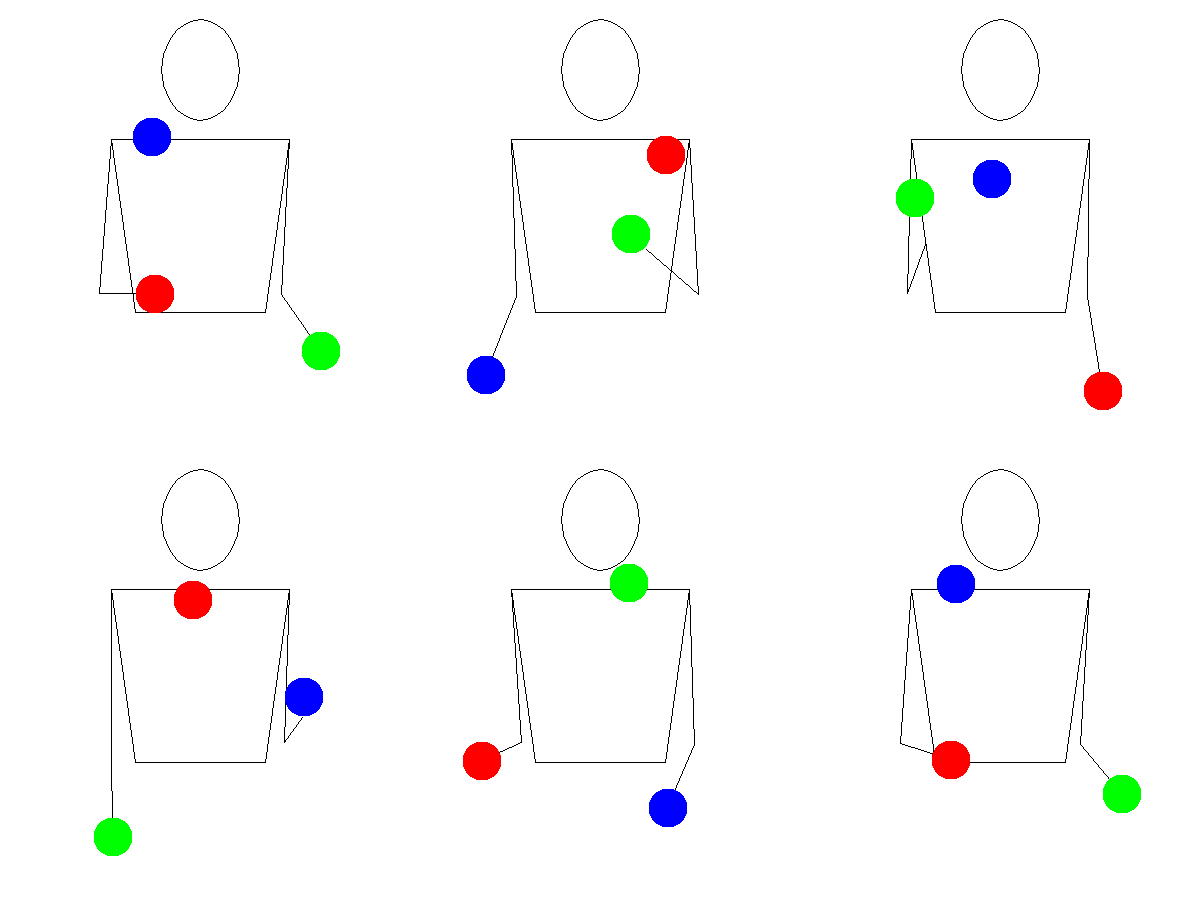
This basic principle is also used in the following Partner Exercise.